
Posts tagged "jamaica"

How Healthy Beaches Help Us: Hurricane Season Edition

The Atlantic Hurricane Season kicks off each year on June 1 and ends on November 30. For Caribbean people, particularly for those in coastal communities, these six months are filled with anxiety and concern over their property and livelihoods in the event of a tropical storm or hurricane, and with good reason. When a hurricane strikes a coastal area, it brings many serious hazards including heavy rains, high winds and storm surge. All of these combined cause flooding and also push seawater onshore, flooding towns near the coast, and can cause major damages, injuries and loss of life. As an example, Hurricane Gilbert of 1988 caused more than US$900 million in damage, much of which was in coastal areas. With climate change expected to increase the overall intensity and frequency of storms, with likely devastating impacts on vulnerable island communities, beaches represent an important line of defence. But what is a beach?


Image: A street in Kingston in the immediate aftermath of Hurricane Gilbert. (Source: Loop News Jamaica)

Image: Storm Surge in eastern Kingston during Hurricane Sandy in 2012 (Source: NY Daily News)

There are different kinds of beaches – some are made from sand and pebbles washed down by rivers, others consist of coral skeletons and crushed shells, sand excreted by certain types of marine animals such as parrotfish, and some kinds of seagrass and algae break down to form sand. Coral reefs protect the beach from storms, and beaches protect the land. If the conditions that cause beaches to develop and persist over time are disrupted, beaches begin to lose their sand. Beaches are made up of different types of sediment which is held in place by the shape of the coast, seagrass meadows and beach vegetation. Because beach sediment is constantly being moved around by natural forces like wind and waves, beaches can best be described as SAND IN MOTION. Ocean currents and storms move sand up and down the coast and sometimes sand is held in banks on the floor of the sea. Sand can also be stored at the back of the beach in sand dunes. Sand dunes release sand to the sea in storm conditions; in calmer conditions, sand doesn’t move around as much and tends to accumulate on the beach.

Image: Different kinds of beaches (Source: www.theswimguide.org)

Most importantly, beaches are key ecosystems in coastal zones that provide many ecosystem services. Ecosystem services are the many and varied benefits to humans provided by the natural environment and from healthy ecosystems. One such service is that beach and dune systems are the first line of defence against storms, acting as a buffer between storm waves and coastal development or infrastructure. During storms, waves reach the beach and dunes before they get to properties on land. The beach and dune system absorb wave energy and reduces damage to upland structures.

Image: Vegetated sand dunes at Duncan’s Bay Beach, Trelawny

In addition to providing coastal protection, beaches are an important source of income, recreation and cultural values, supporting a wide number of economic and social activities. They also provide essential habitats for numerous plants and animal species, as well as serve as a link between marine and terrestrial environments. However, as the global climate changes, coastal storms and hurricanes are likely to increase. In fact, the combined impacts of climate change and increasing population pressures on coastal areas for living and recreation have placed beach ecosystems under severe pressure.

As a Small Island Developing State, beaches are central to Jamaican lives and livelihoods. With the multiple threats challenging the health of Jamaica’s beaches, we must act now as individuals and collectively, locally and nationally, to protect valuable sandy beaches and critical adjacent ecosystems that serve to protect and provide for us.


Do you care about coral reefs? Here’s why you should!

You may have heard the phrase “coral reef” or seen underwater images or videos that take your breath away. But what are coral reefs and why should you really care? Corals are colonial animals that are made up of numerous tiny animals called polyps. Polyps are related to anemones and jellyfish and have a sac-like body and an opening, or mouth, encircled by stinging tentacles. These polyps deposit a hard stony skeleton made from calcium carbonate (like limestone) which builds up over millions of years and creates the 3-D structure that we call coral reefs. Coral reefs are only found in the tropical and sub-tropical regions of the world, such as the Caribbean, and are often described as "the rainforest of the sea" because they support a vast diversity of plants and animal species, including 400 species of fish. Although coral reefs only occupy 1% of the Earth's surface, they contain 25% of the marine fish species found in the ocean.

A healthy coral reef ecosystem

Source: https://earthjustice.org/slideshow/protecting-endangered-caribbean-corals

The coral reef employs individuals in a wide variety of economic activities, mainly in the tourism and fishing industry.  The tourism industry provides jobs for persons in hotels, water sports, boating, sport fishing, diving, and other coastal attractions and contributes significantly to the economies of many countries such as Jamaica. Fishing is also an important economic activity for many people living along the coast.

Scuba Diving in Montego Bay, Jamaica

Source: https://www.beaches.com/blog/scuba-diving-jamaica/  

The coral reef feeds us by providing fish, shellfish, lobsters, and other food from the sea including edible plants (Seaweed). Coral reefs are not only a source of food for coastal communities but also contribute to food security and poverty reduction.

Belmont Fishing Beach, Bluefields, Westmoreland

The coral reef protects our coastline by providing a barrier against high waves caused by storms and hurricanes that would otherwise come ashore and cause great damage.  Many buildings, homes, and other coastal infrastructures, such as hospitals, power plants, and coastal roads are protected because of the coral reef structures that exist offshore. Coral reefs also provide the sand for our beaches and safe shallow waters for us to swim in.

The coral reef educates us by revealing how the natural environment works. For example, research carried out on coral reefs has provided us with answers about how plants and animals interact, and how climate change is impacting the oceans.

The coral reef supports our health and wellbeing through the numerous medicine, cosmetics, and health food supplements that are derived from the sea.  Coral reefs also provide us with a place to rest, relax and rejuvenate ourselves.


36705bc2-5627-412e-ab2c-080052dddfd3a386bf58-eedc-48a4-aa27-06d554cdb351

Coral Reefs in Oracabessa Bay Fish Sanctuary, St. Mary (top) and Drunkenman’s Cay in Palisadoes Protected Area, Kingston (bottom).

Source: Mrs Marcia Ford

 The health of our coral reefs, however, is threatened by human activities such as overfishing (e.g. parrotfish), anchor and Jet Ski damage, pollution from land and marine sources, poor solid waste management, plastic pollution, and climate change.

We all can do our part to protect coral reefs. Become informed about how your actions affect coral reefs. Make wise choices regarding water use, recycling, seafood, fertilizer use, and driving time.  Don’t remove anything from the reefs.  Pick up your own trash and also participate in coastal/beach/reef clean-up activities.

So, the coral reef employs us, feeds us, protects us, educates us, and supports our health and wellbeing – that’s why you should care.

Guest Contributor: Mrs Marica Ford - Marine Scientist (UWI - Centre for Marine Sciences) 

Earth Day 2021 - #RestoreOurEarth


Thursday April 22, 2021 marks the 51st celebration of Earth Day worldwide. This year’s theme is “Restore Our Planet” which focuses on natural processes, emerging green technologies, and innovative thinking that can restore the world’s ecosystems. Earth Day began in 1970 in the United States of America (USA), emerging from the concern of millions of citizens about the state of the environment, and trends of environmental degradation in the US at the time. In the 1990s the movement grew to over 140 countries mobilizing civil society and lifting environmental issues onto the world stage. Earth Day 1990 gave a huge boost to recycling efforts worldwide and helped pave the way for the 1992 United Nations Earth Summit in Rio de Janeiro. Environmental restoration aims to assist ecosystems in recovering from damage or degradation, and there are various ways you can contribute. Today we will focus on tree planting, coastal cleanups and the regeneration of marine populations such as lobster, parrotfish and sea turtles.

Trees play an important role in various ecosystems providing a habitat for almost 80% of plants and animals. Trees also absorb Carbon Dioxide from the air and reduce air temperature which is especially important in built up cities such as Kingston or Montego Bay, St. James. The roots of trees provide soil stability and prevent soil erosion in times of flood.


Tree planting is one method of environmental restoration that can be successful when done properly.  When conducting tree planting you should ensure that the trees planted are appropriate for the selected area - this will give them the best chance of surviving. If conducting a tree planting exercise is a coastal environment, ensure the trees are native to the area and can withstand windy and salty conditions. You must also ensure that someone has been identified to ensure the trees will be watered and maintained for at least two years, especially in the summer months or periods of low rainfall. Young trees may also need to be protected from grazing animals.


Another way you can contribute to environmental restoration here is Jamaica is by conducting coastal cleanup activities. In addition to garbage left behind by beach users, a large quantity of Jamaica’s waste stream is improperly disposed of, making its way to the coastline and out to sea via gullies, rivers and other waterways - becoming marine debris. Marine debris harms marine life, including coral reefs and can negatively impact tourism. Select a safe cleanup site and host regular cleanups to help keep the beach clear of garbage. Keep in mind that more needs to be done by way of public education, enforcement of regulations and garbage collection to prevent garbage from ending up on our coastlines in the first place.

Lastly, paying attention to your own consumption of seafood and marine products can contribute to environmental restoration. The Government of Jamaica recently announced the Lobster Closed Season which is between April 1 and Jun 30, 2021. This means that it is illegal to catch or sell lobster during this period. Any lobster in stock before April 1 should be declared to the National Fisheries Authority. By having a closed season, lobster populations are given a chance to regenerate. In addition to not purchasing or consuming lobster during this time, making the decision to stop buying parrotfish also has a positive impact on the marine environment. Parrotfish contribute to a healthy reef system by producing sand and keeping coral reefs clean from algae. Parrotfish “discharge” up to 100 kg of white sand a year for every year of their lives. We should also stay away from any products made from any part of a marine turtle since these animals are endangered.


Restoring our natural world is important but preventing environmental damage is better. Let's work together to conserve ecosystems and special places while we restore those which are already degraded.


For more information on Earth Day 2021 visit https://www.earthday.org/earth-day-2021/

Appendices

Back to the Beach!

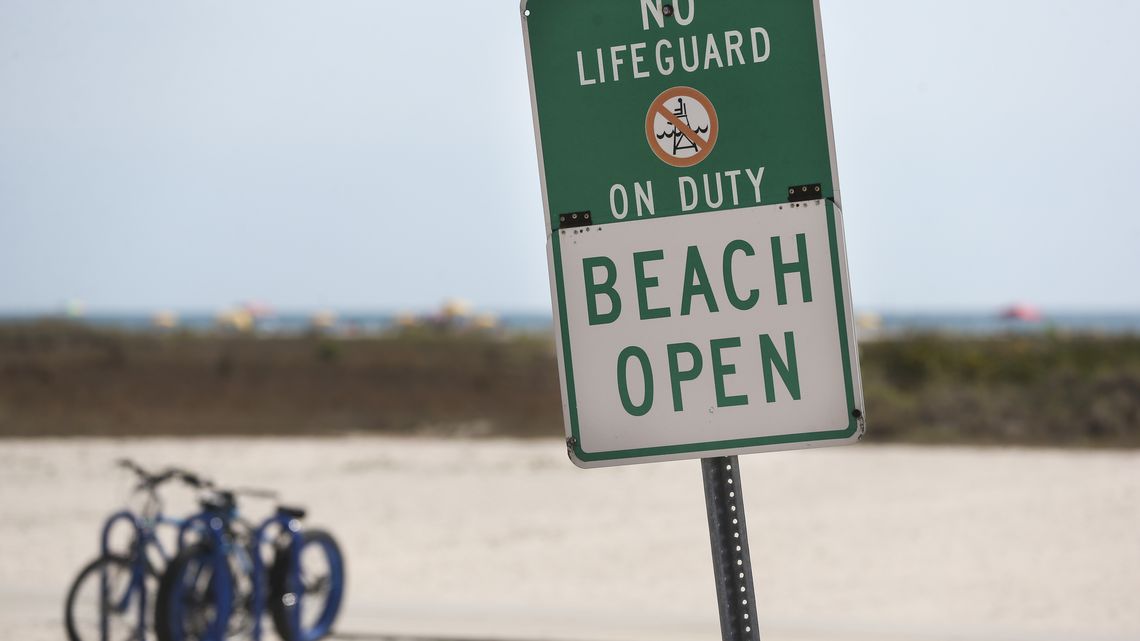
On June 7, 2020 beaches across Jamaica re-opened to the public after a period of closure due to the COVID-19 pandemic. Patrons and beach managers alike were excited to return to Jamaican beaches as it is one of the few places that a variety of activities can be done safely, at a distance. Beach re-opening protocol allowed the opening of beaches and rivers between the hours of 6:00 am and 6:00 pm, limiting groups to ten people in one section of the beach for the purpose of sunbathing only. 

 beach open


Source: Tampa Bay Times (tampabay.com)

In May, we conducted community site visits to the Better Beaches for Jamaican (BBFJ) partner beaches and noticed that all beaches island-wide were closed to sunbathing, events and other commercial activities.  We observed empty beaches, and received reports of increased wildlife such as more fish close to shore and birds on the beaches. The JET team caught up with community beach partners from Duncans Bay Beach in Trelawny, Winnifred Beach in Portland, and Peach Beach in St. Ann to find out what their experience has been like since beach re-opening in June. 

During the beach closure, our Duncans Bay Community Beach partners observed an increase in out-of-town visitors to the beach, which is usually frequently by community members. This increase was thought to be due to the closure of other commercial public beaches along the coast. Since beaches have re-opened, less people are visiting the beach overall than before the pandemic. This may be due to the downturn in the economy and reduced disposable income. 


20191030_121641

Duncans Beach, Trelawny

It seems visitors could not wait to get back to the warm sand and beautiful seaside, based on reports from the beach managers of Winnifred Beach in Portland. Since re-opening, weekends are just as busy as they were earlier in the year, prior to the outbreak. Beach goers are also happy to implement safety protocol outlined by the Government of Jamaica. 


20191028_141157

Winnifred Beach, Portland

While there have been reports of crowded beaches and rivers in June and July, at Peach Beach in St. Ann, people have been seen wearing their masks on the beach while maintaining their social distance from other small groups occupying the beach. There have been no issues with crowding. Small signs could be seen at the beach, informing visitors of the new protocol. 


 Screenshot 2020-07-31 21.58.33

Peach Beach, St. Ann

The re-opening experience for these three beaches have been positive, however many beaches and rivers are over-crowded on weekends, prompting the Minister of Local Government and Community Development, Desmond McKenzie, to warn beach and river management and visitors alike, that if protocol is not observed stricter control measures would be put in place. 

As we retreat to the beach during this Emancipendence period, let us remember to enjoy the beach but stay safe!

Shelly says Big Up Wi Beach!

Big Up Wi Beach has released its first public service announcement (PSA) on the importance of maintaining healthy beaches. In the PSA, Shelly, a hawksbill sea turtle explains how to keep beaches healthy by protecting different parts of the coastal environment – sand dunes, mangroves, coral reefs and seagrass beds – and the plants and animals which depend on them. 

Continue reading
International Coastal Cleanup Day 2019 National Summary Report - Plastic bottles top the list!

The Jamaica Environment Trust (JET) is expressing disappointment over last week’s announcement by Minister Daryl Vaz that the roll out of the planned deposit refund scheme (DRS) for plastic bottles is being delayed until 2021. Minister Vaz’s announcement came ahead of JET’s release of the results of last year’s International Coastal Cleanup (ICC) Day Jamaica activities, which identify plastic beverage bottles as the number one item collected by ICC volunteers for the twelfth consecutive year.

Continue reading
Big Up Wi Beach Cleanup!

On Saturday September 21st, 2019 the Jamaica Environment Trust (JET) hosted its 26th annual beach cleanup to mark International Coastal Cleanup Day (ICC). Over 2,000 Jamaican volunteers including representatives of Corporate Jamaica, government agencies, service clubs, schools and other groups turned out to clean up the coast of the Palisadoes Go-Kart Track at the Norman Manley International Airport in Kingston. Volunteers at the cleanup found everything from plastic bottles and Styrofoam containers to refrigerators and car parts. Over 21,000 pounds of garbage was collected.

Continue reading
Towards Better Beach Management for Jamaican Communities

In 2017, Jamaica Environment Trust (JET) developed a simple guidebook for Jamaican beach communities - Big Up Wi Beach - An Introduction to Better Beach Management for Jamaican Communities. The guidebook features a colourful, reader-friendly, overview of the beach environment and good beach stewardship, including beach features, beach conservation, the impacts of climate change, and the laws and regulations that govern beaches in Jamaica.

Continue reading